
No theatrics. No 80-page deck nobody reads. Just a senior team, embedded for the time it takes to deliver something the agency can defend — and then gone.
Two weeks inside the agency: shadow the operators, read the procurement file, sit in on legislative briefings. We start by understanding your reality — not your reference architecture. No surveys.
We render the system as it really runs — people, policy, platforms — and find the seams where technology and process change compound. The output is a working diagram, not a 200-slide map.
A pilot the commissioner can defend in front of the legislature, the comptroller, and the constituent — in that order. We measure success in working systems, not deliverables.
We stay embedded through the first budget cycle, transferring the engine to your team as we go. We leave when you don't need us — not when the contract runs out.
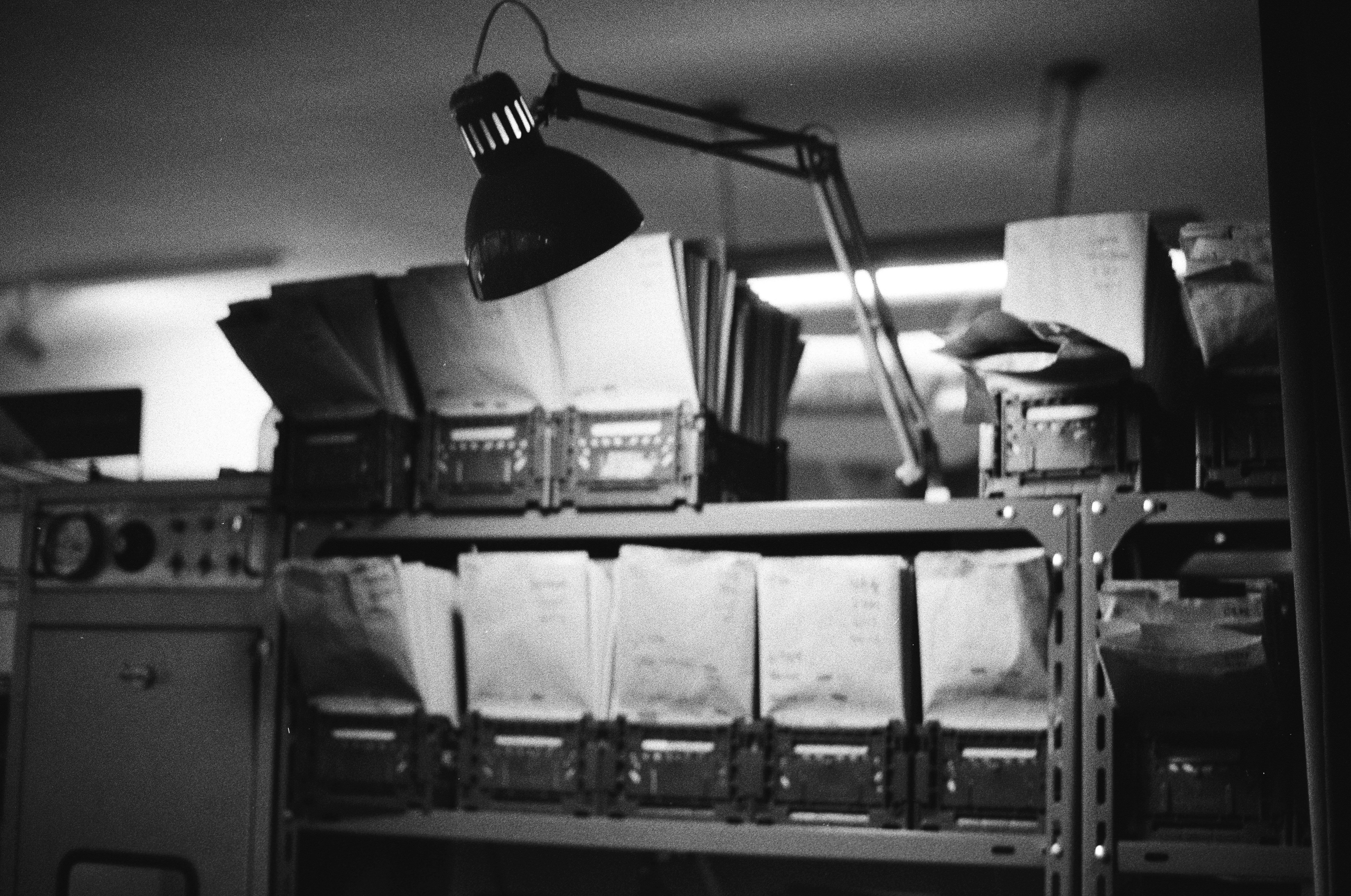
 Photo · 21:9 · Working environment, paper documents, no people

The partner who scoped the engagement is the partner who runs it. No bait-and-switch.

We collaborate with lobbyists, former agency leaders, contractors, and specialist firms to assemble the right team for your mission.
Our deliverables are five to twelve pages. Read aloud. Defended at the table. Filed for the budget hearing.

We stay long enough to transfer ownership. We leave when you don't need us — not when the SOW expires.

State, local, federal — same rigor. The constituent doesn't care which procurement vehicle you used.

Every recommendation has to survive the budget hearing, the inspector general, and the local newspaper. We test it for all three.
You've worked with the recognizable firms. Here's the difference, in plain terms.
From the first conversation to a working pilot, signed off by counsel.
Through the first full budget cycle. We leave when you don't need us.
A trusted network of former agency leaders, lobbyists, and specialist firms — assembled around your engagement.
Every engagement has a named partner. The same one. From kickoff to close.